
In the news
Loading
These stories mention Vinci in passing rather than reporting on it directly.
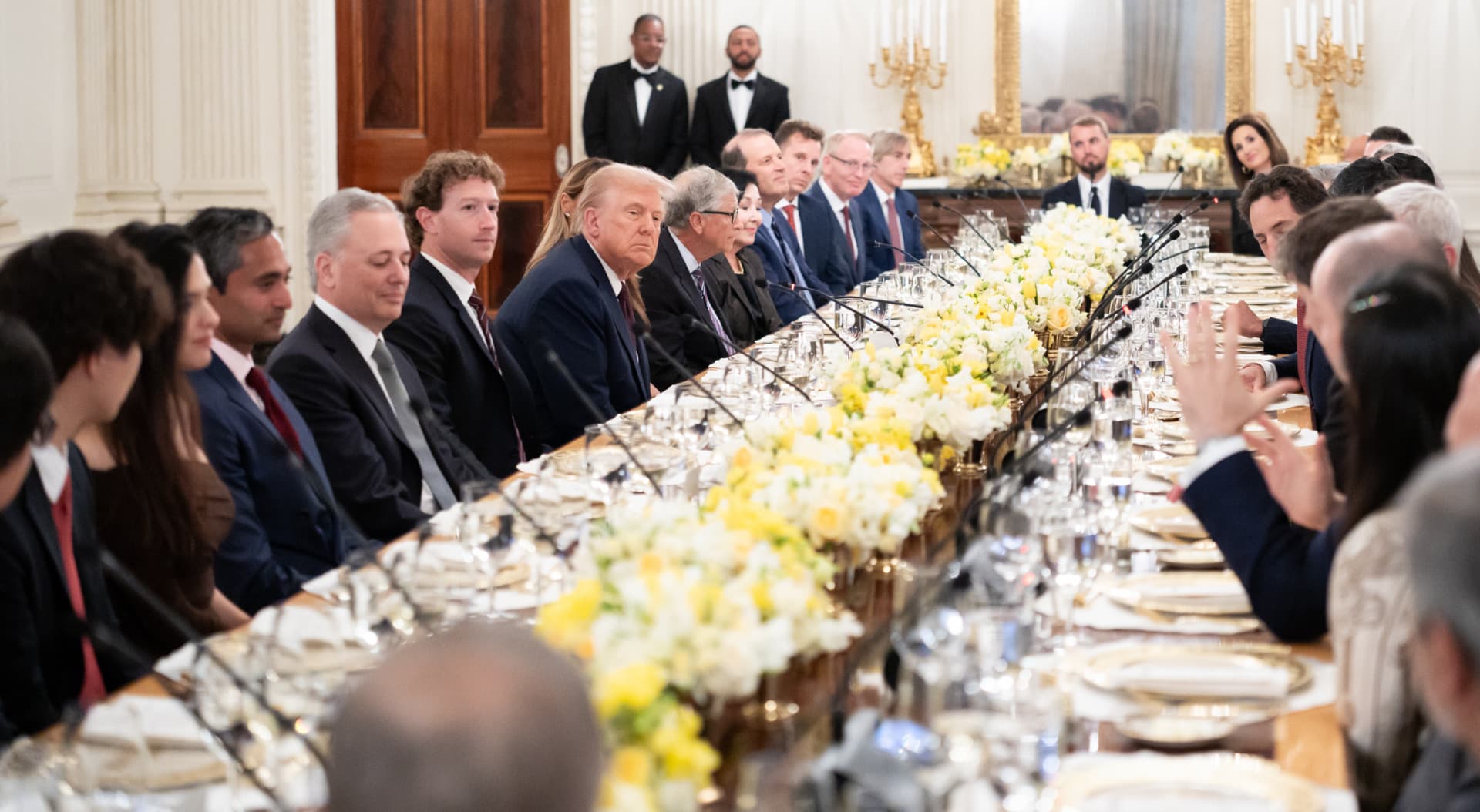
Much of Aaron Sorkin’s new film “The Social Reckoning“ takes place in server rooms, where the algorithmic machinery that has shaped the last decade of human life is developed, maintained, and overseen. Sorkin’s focus is on “Meaningful Social Interactions,” or MSI, a ranking system that weights comments and reshares dozens of times — more heavily
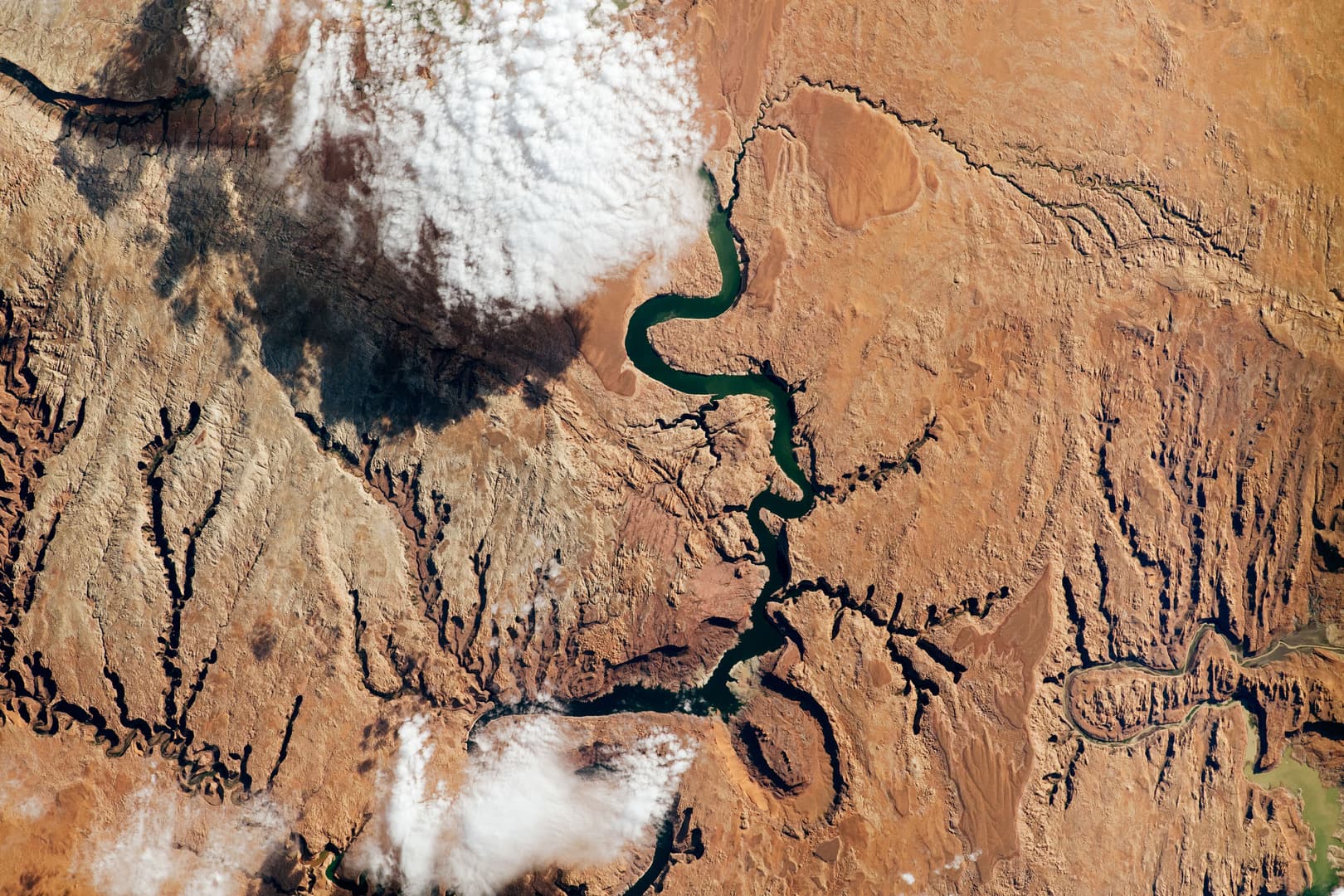
Rivers have been key infrastructure of ancient and modern civilization, moving goods, irrigating crops, providing sustenance for people’s daily needs, and defining political borders. István Somogyi, a 56-year-old farmer from Pócsmegyer, a Hungarian village on the Danube, among so many others, reported devastating losses: “I’ve lost nearly 50% of my harvest this year and it
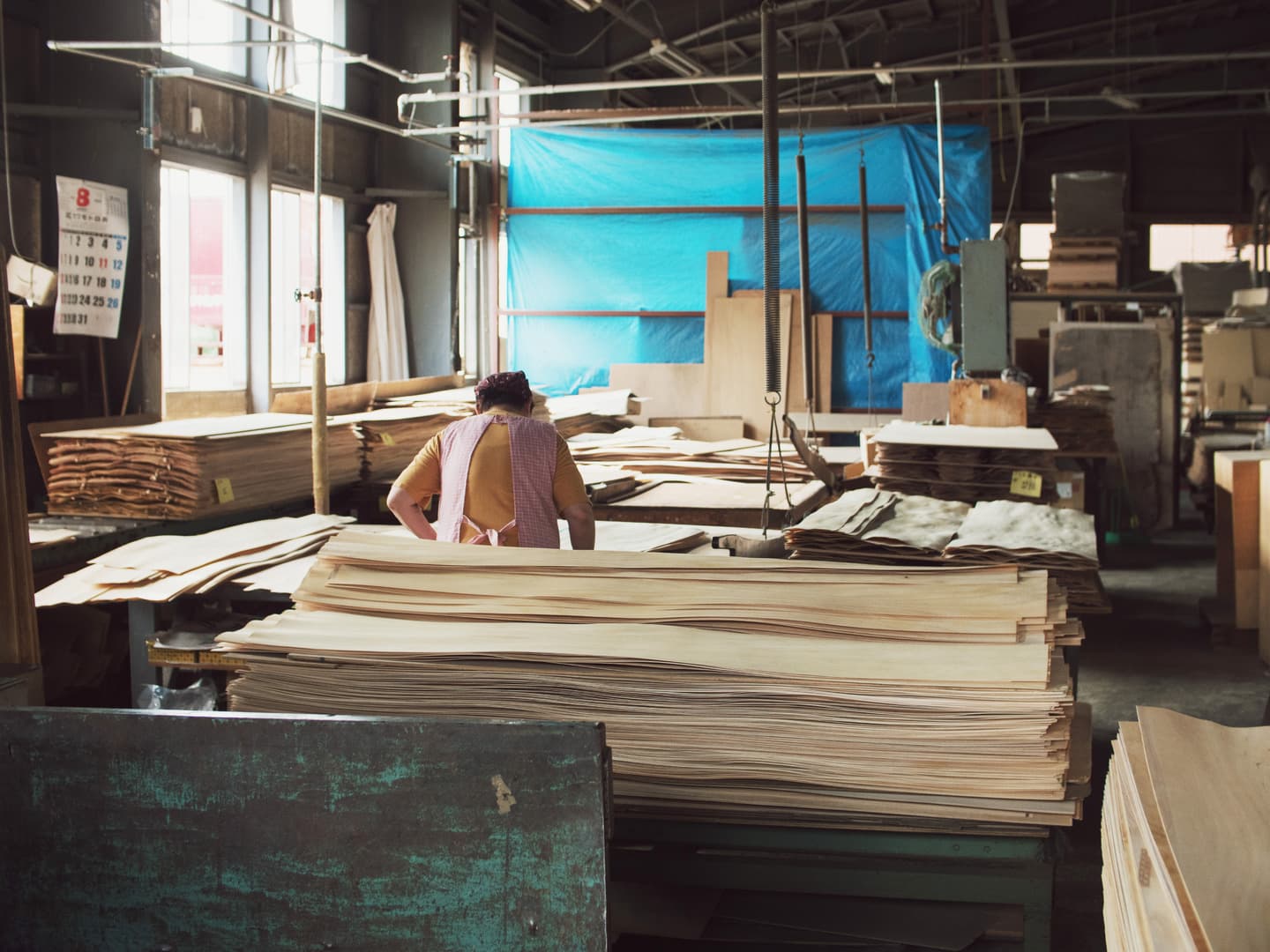
The sustainability conversation often starts with materials. Can we use renewable resources? Can we recycle more? Can we reduce waste? Can we replace more harmful materials with better ones? But there is another question that is just as important: Will people actually want to use them? A material can be renewable, recyclable or responsibly sourced
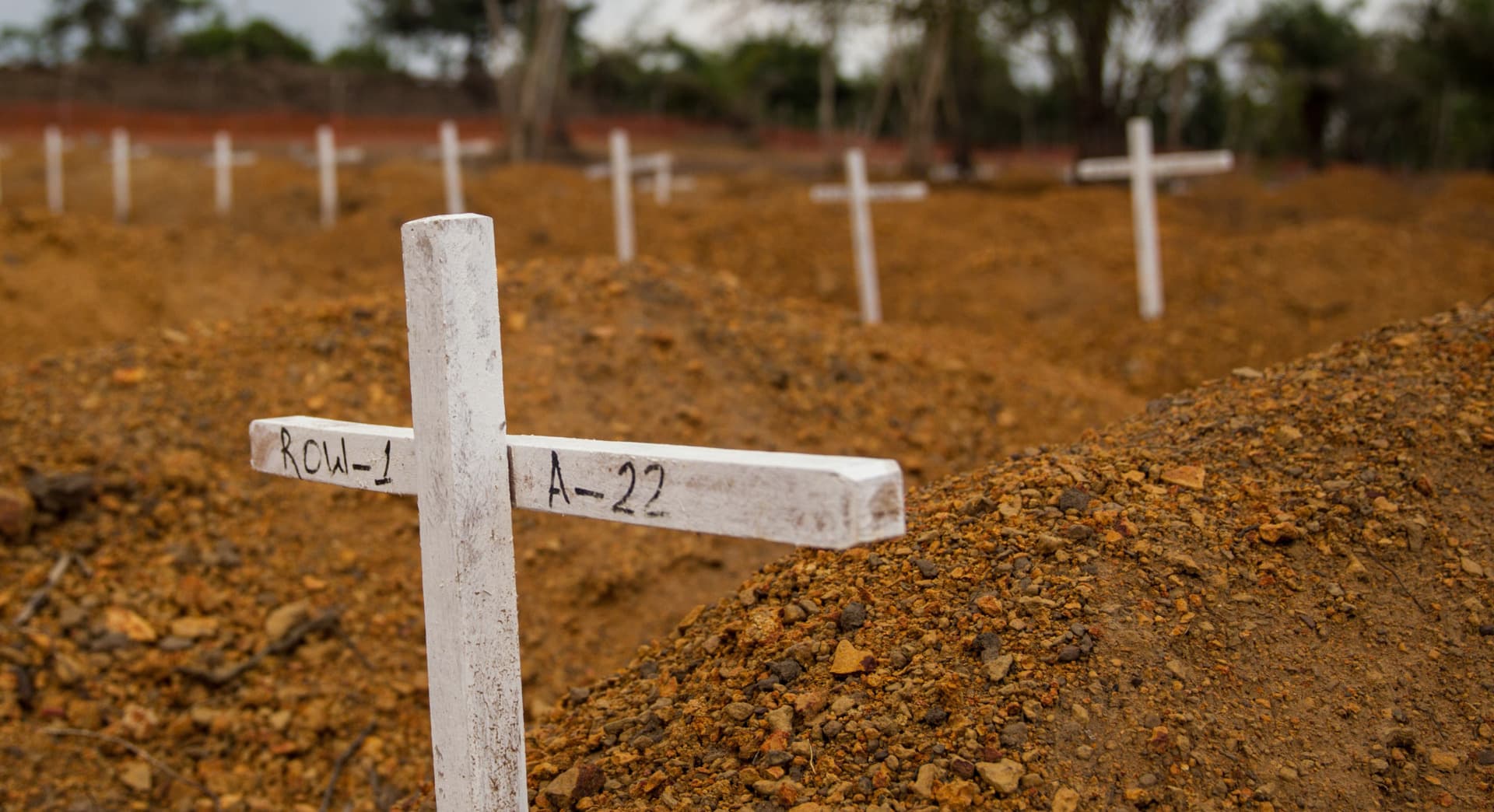
The Democratic Republic of the Congo is deeply stuck in the deadliest Ebola outbreak in its history — and the second largest ever recorded globally, behind only the 2014–2016 West Africa epidemic. As of September 7, the Ebola outbreak in the DRC has claimed nearly 3,200 lives, surpassing the 2018–2020 epidemic that had held the
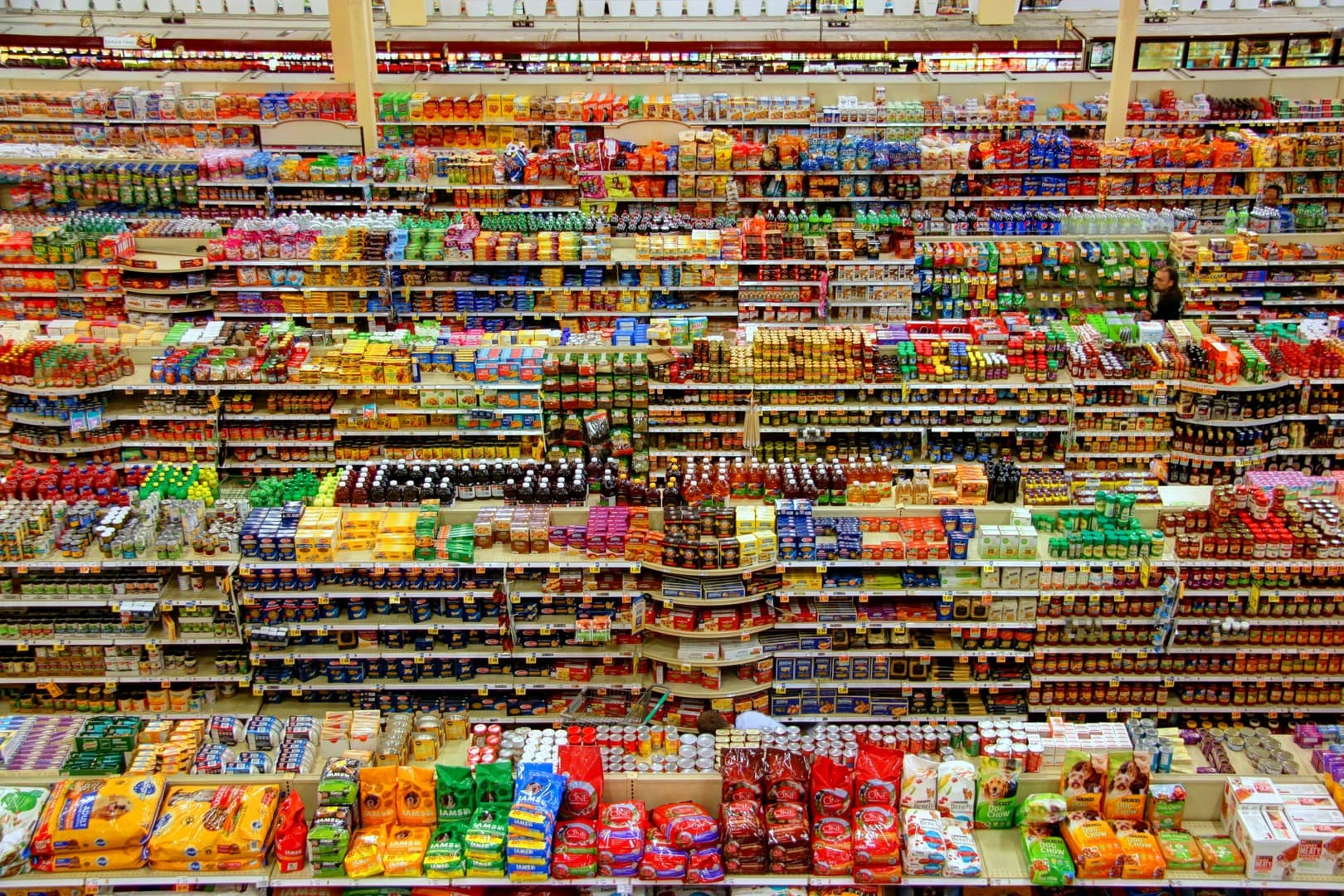
Ultra-processed foods (UPFs) have become a major concern in global public health, not only because they are linked to chronic diseases, notably obesity — they are calorie-rich and nutrient-poor — but also because geopolitical and commercial forces shape where, how, and to whom they are marketed. This analysis focuses on the impact of American UPFs
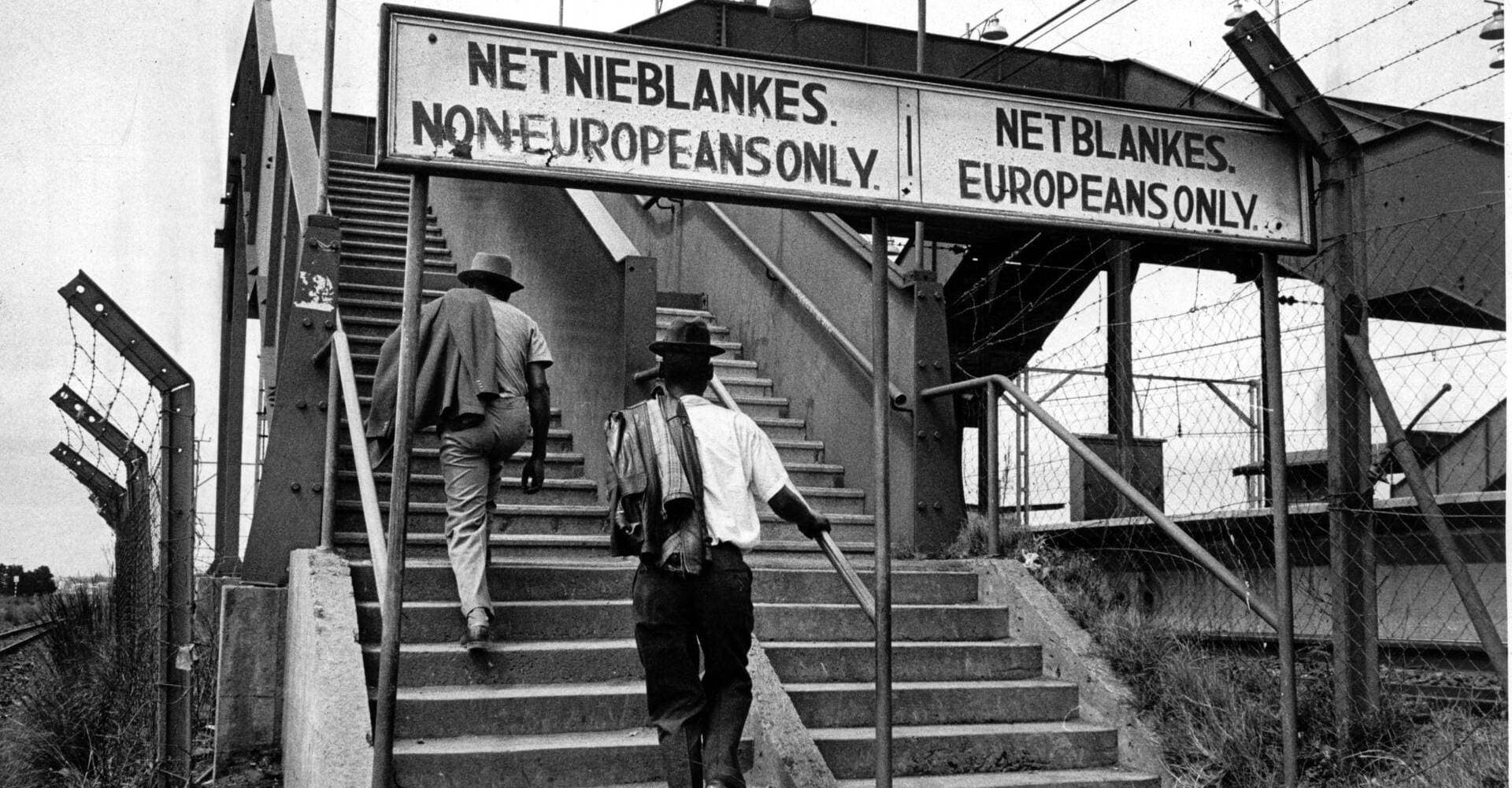
Let me begin with a disclaimer: I am a Zimbabwean who lived and worked in South Africa for 10 years. My struggle as an immigrant, first on an asylum seeker permit and then on the precarious Zimbabwe Exemption Permit, saw me work in all sorts of jobs ranging from scrubbing the floors in a chicken
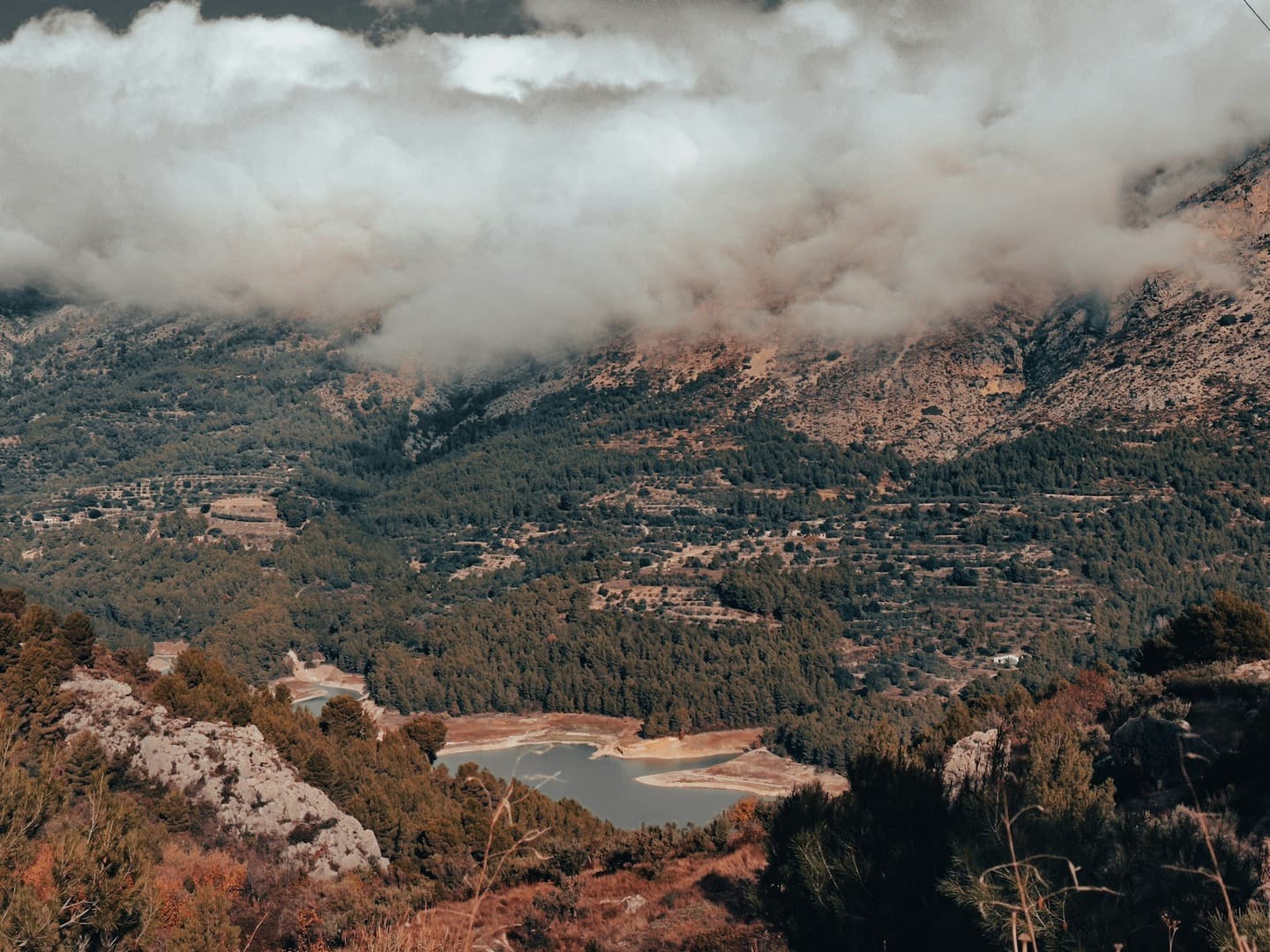
Today’s ESG Updates France and Spain Race to Suppress Wildfires: Firefighters battle massive blazes across both countries as more than 325,000 people have been evacuated, with a fresh heatwave threatening to arrive within days. Europe’s Wildfire Aircraft Fleet Strained: Aerial firefighting firm Avincis warns Europe isn’t prepared for longer, more extreme wildfire seasons, with waterbombers
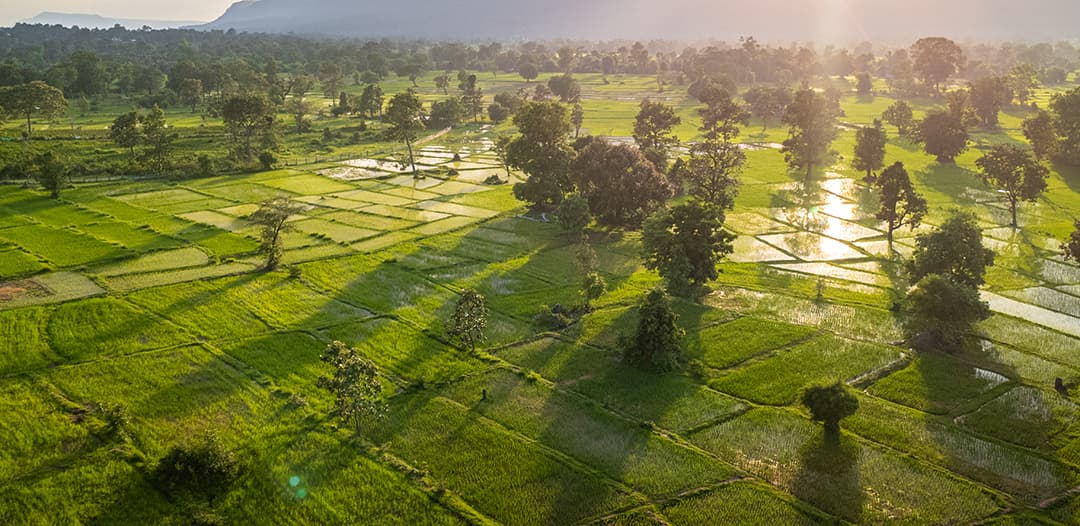
In Uganda’s Luweero and Nakaseke districts, coffee, bananas, vegetables, and young trees are doing more than producing food. Together, they are helping farmers restore degraded land. Tujjunge John is one of them. Through an FAO-supported Farmer Field School, he has learned to use agroforestry practices that bring crops and trees together on the same plot. The
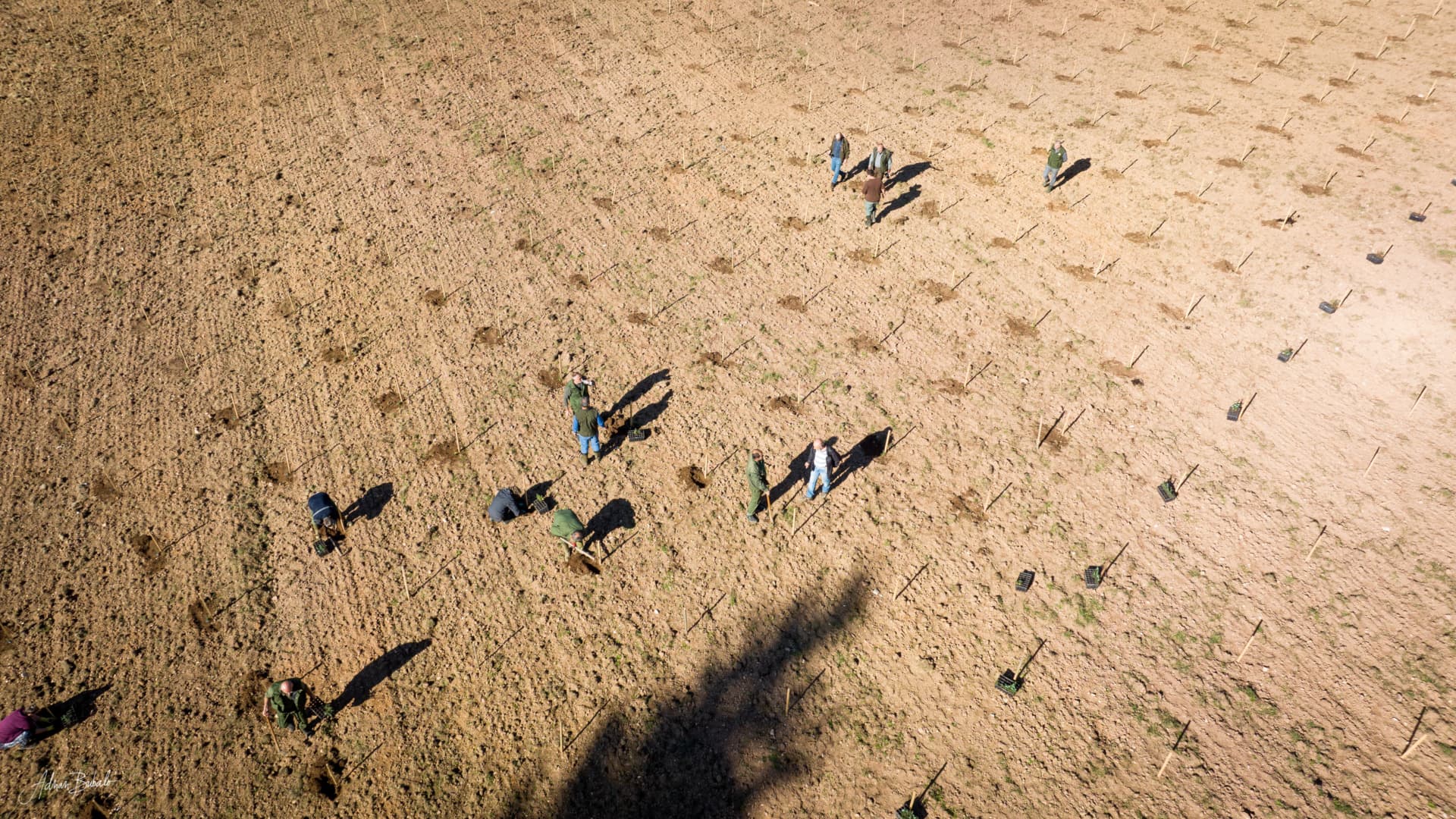
For more than two decades, I have heard a familiar refrain in conversations about biodiversity and development: “Nature is important, but we need to prioritize jobs and economic growth.” It is often framed as an inevitable trade-off — as though protecting ecosystems only comes at the expense of prosperity. But the evidence points in the

Today’s ESG Updates: The Iran War Is Breaking the Global Gas Supplies: The Iran war has triggered the biggest energy supply shock in modern history, and the world may be kicking its gas habit for good. Ukraine Pipeline Restarts Russian Oil Flow to Europe: Ukraine has restarted the Druzhba pipeline, convincing Hungary to drop its

Today’s ESG Updates Iraq Faces Critical Oil Export Challenges: The Basra Oil Company says exports could hit 3.4 million barrels per day within a week if the Strait of Hormuz reopens, but current production is down 80%. Utah Shields Fossil Fuel Companies from Climate Lawsuits: HB 222 makes it nearly impossible for residents to hold
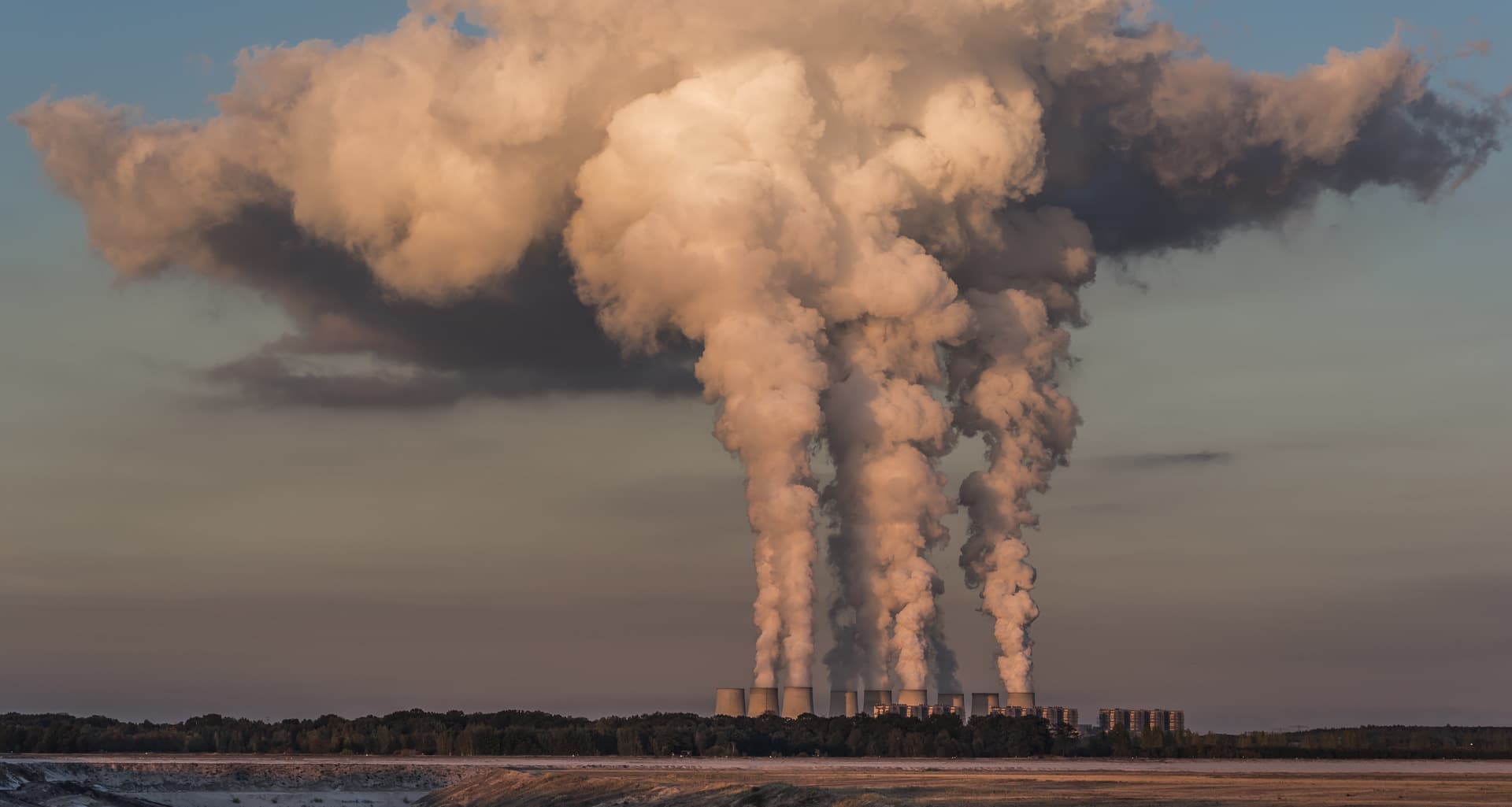
A recent webinar hosted by the International Institute for Sustainable Development, The Policy Practice, and the Thinking and Working Politically Community of Practice, brought together researchers, practitioners, and policy professionals to explore one of the most critical — and often most difficult — dimensions of climate policy: the political economy of carbon pricing. While technical and policy