
In the news
Loading
These stories mention Sixt in passing rather than reporting on it directly.
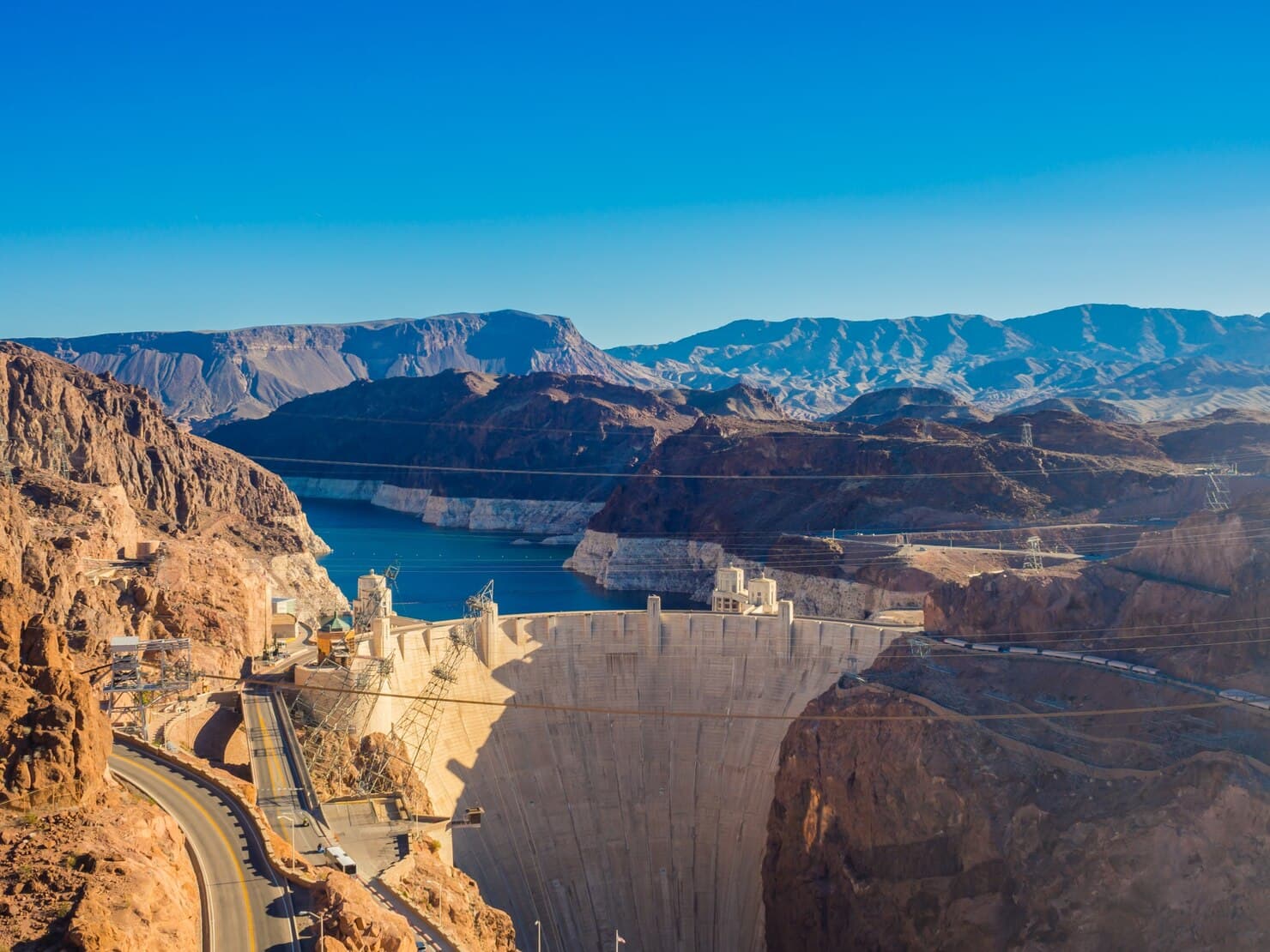
“High hazard potential” sounds like a diagnosis. It is not. FEMA defines the term precisely, and the definition has nothing to do with a dam’s current condition. A structure earns the label if its failure or mis-operation would probably cause loss of human life. That is the entire criterion, and FEMA’s own guidelines make the
Until the mid-sixteenth century, navigation on the high seas was complicated by the then-maps not aligning with compass bearings, making it necessary for sailors to perform constant course correction. In 1569, Flemish cartographer Gerardus Mercator introduced a transformative map projection that enabled sailors to plot a single heading and hold it for an entire voyage. However, the map

Across many regions, the growing dependence on ultra-processed foods, sugary beverages, and highly salted products has become a significant health concern. That said, there is good news in providing two important micronutrient needs via salt. After decades of development and steadfast commitment by advocates and experts, common table salt can be fortified with both iron

Today’s ESG Updates UK Media Misses Climate Link: Most UK media coverage of the record-breaking 2026 heatwave failed to mention the climate crisis driving the extreme temperatures. New York Halts New Data Centers: New York became the first US state to impose a moratorium on new large data centers, pending an environmental impact review. TenneT
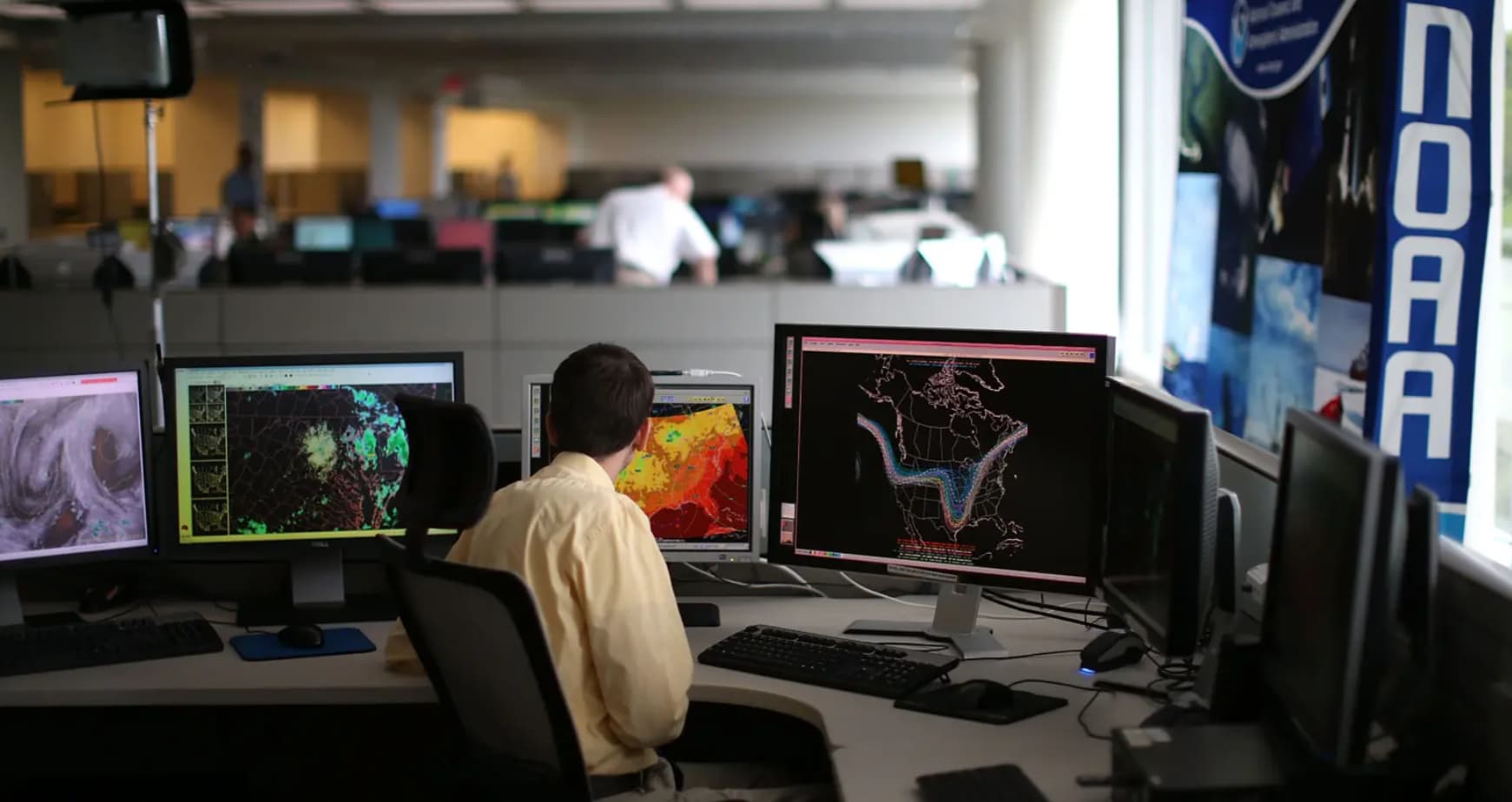
When Rebecca Lindsey was fired from the National Oceanic and Atmospheric Administration (NOAA) last February, the first thing she did was stew. Then she worried about what was going to happen to the website she and her team had built over the last decade and a half. Lindsey had long been the lead writer and
Today’s ESG Updates China Raises Millions in Green Bonds: China attracted strong investor demand for its latest green bond issuance, with Asia-Pacific buyers accounting for 80% of orders. Factories in Europe Suffer from Iran War: Europe’s manufacturing sector weakened as disruptions linked to the Iran conflict weighed on industrial activity. Anthropic Prepares an IPO: The

Today’s ESG Updates: Indonesia’s Secure Food Supply: Through May 2026, Indonesia’s food supply should remain strong, with surpluses and self-sufficiency for carbohydrate and protein staples. Singapore to Cut Electricity Use: To save energy, Singapore’s government is requiring public facilities to reduce electricity use. Brazil Considers Fast-Tracking Biodiesel: With an increase in diesel prices, the Brazilian
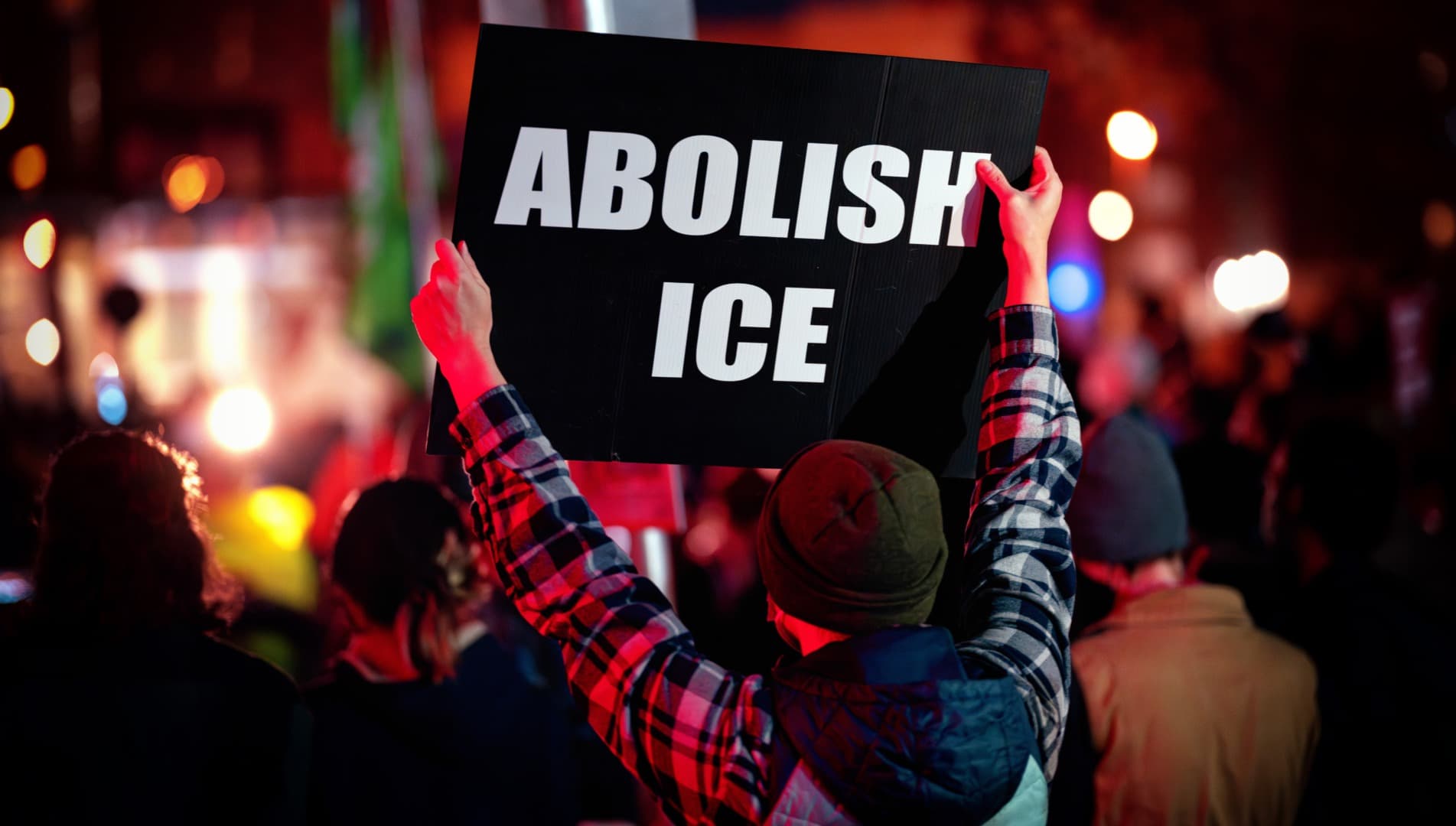
There are more than 200 “detention centers” in America today, where between 68,000 and 73,000 people are incarcerated. Many of the prisoners entered the U.S. as asylum seekers and have carefully followed the rules and procedures for achieving permanent status; quite a few are actually U.S. citizens, with only a small number the purported targets

Today’s ESG Updates Global Markets Slide as Energy War Risks Intensify: European and Asian allies are stepping in to stabilise markets and secure vital shipping routes. Standard Chartered Expands Sustainable Finance with COFCO Deal: The loan links financing terms to climate adaptation and social safeguards in agricultural supply chains. Policy Reforms to Accelerate Germany’s AI

Today’s ESG Updates FedEx Launches Reusable Packaging: New reusable packaging for B2B shipping can last 50 cycles, cut costs 30%, and reduce emissions up to 88%. EV Adoption in Australia: Replacing 1 million petrol cars with EVs could cut foreign fuel use by over 1 billion litres annually. Trafigura & Minerven Gold Deal: The partnership
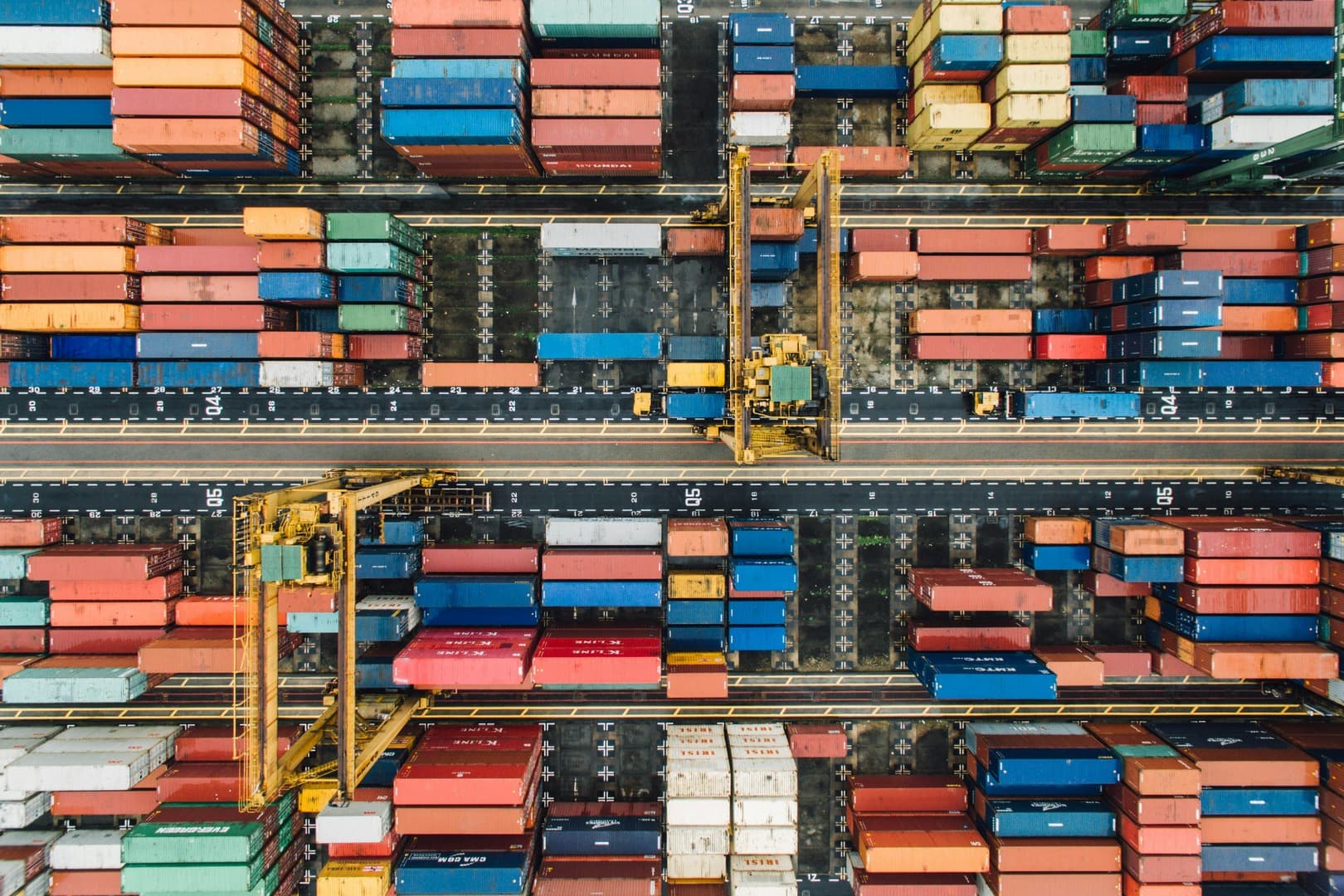
Today’s Trade & Business Updates U.S. Hits 60 Nations With Probes Before Tariffs Expire: The U.S. launched trade investigations into sixty nations over forced labor to bypass blocked global tariffs. Apple Cuts China App Store Commission: Following Chinese regulatory pressure, Apple is reducing its App Store commission rates, saving developers millions annually. Canada Suffers Historic

Artificial Intelligence (AI) consumes a lot of energy. But how much exactly? What makes the answer both intriguing and complex is that the carbon footprint of a data center depends heavily on where it is located. Studies estimate that data centers around the world could have produced up to 80 million tons of CO₂ in