
Klimado Index · Germany
T-Systems
t-systems.com (opens t-systems.com)View on Klimado → (opens klimado.com)
In the news
Loading
Klimado Index · Germany
t-systems.com (opens t-systems.com)View on Klimado → (opens klimado.com)
These stories mention T-Systems in passing rather than reporting on it directly.

In the energy world, we like to pretend everyone’s equally guilty. The story often goes that “we’re all in this together,” that rising emissions are a planetary accident driven by anonymous billions rather than a few specific lifestyles and infrastructures. If we look only at total CO₂ emissions from energy, we see world emissions climbed
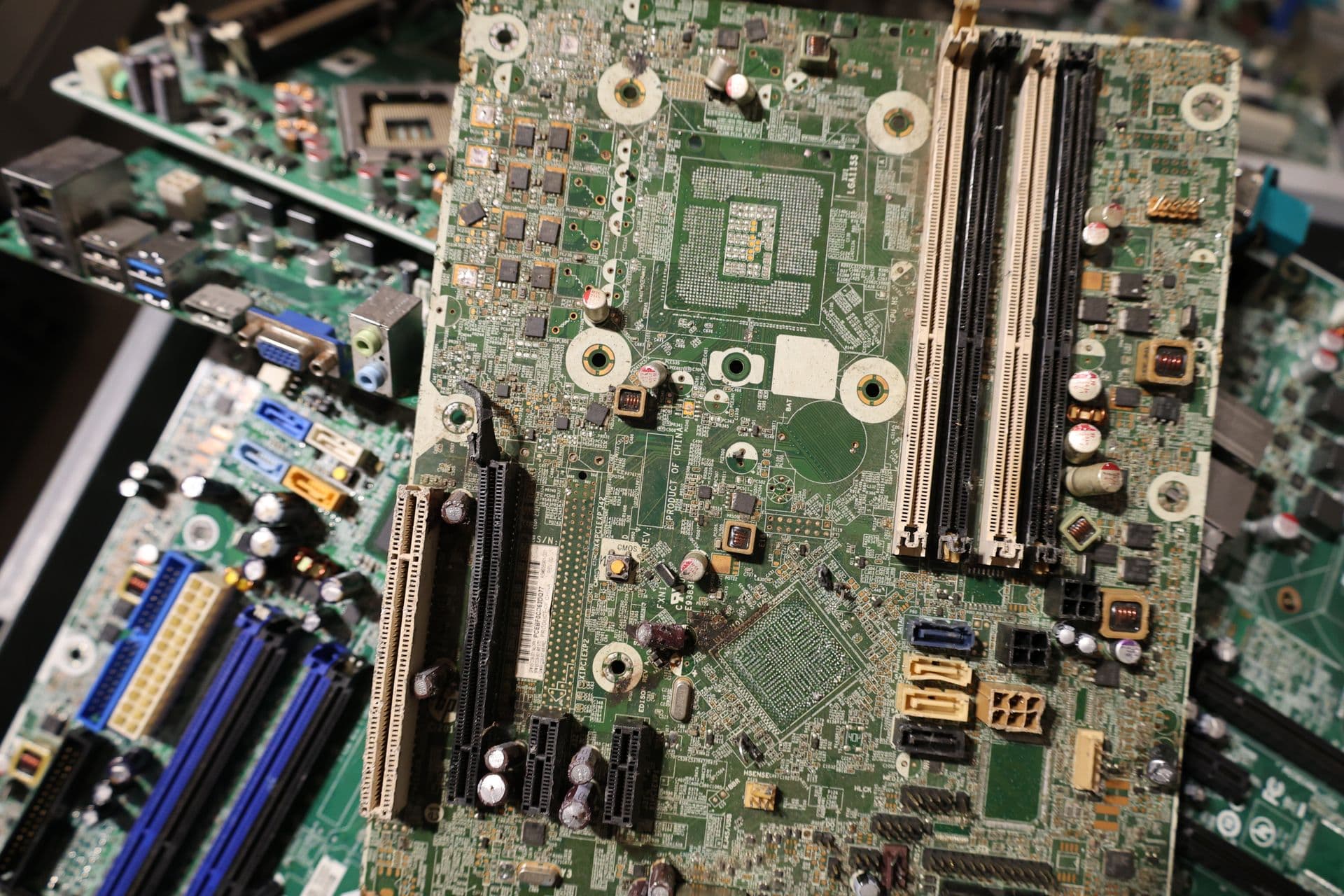
Artificial intelligence (AI) is often described through models, applications, and computing capacity. Behind all of them is a physical infrastructure that has to be manufactured, installed, powered, maintained, and eventually replaced. The data center hardware lifecycle therefore extends well beyond the period when a server is processing workloads. Physical components do not necessarily become unusable

Once understood, One Health ought to be one of the most attractive, essential, and shared causes in modern philanthropy. It is global, interdisciplinary, scientifically compelling, urgent, and potentially transformational. It sits directly at the intersection of global health security, food systems, biodiversity, climate resilience, animal health, and environmental protection. It could be crucial in preventing

Today’s ESG Updates Mediterranean Nations Back 2030 Water Plan in Rome: Ministers from 43 Union for the Mediterranean states launched the Rome Initiative on Water and endorsed a declaration setting water priorities through 2030, at the first such meeting since 2017. Antarctic Winter Sea Ice Slumps Again: The ice peaked at 17.59 million square kilometres

Most digital services feel intangible to the people using them. The infrastructure that makes them possible is not. Every cloud application, artificial intelligence (AI) model, streaming platform, and online transaction depends on buildings filled with computing equipment, power systems, cooling infrastructure, networks, and increasingly dense hardware. That physical footprint is growing quickly. The International Energy
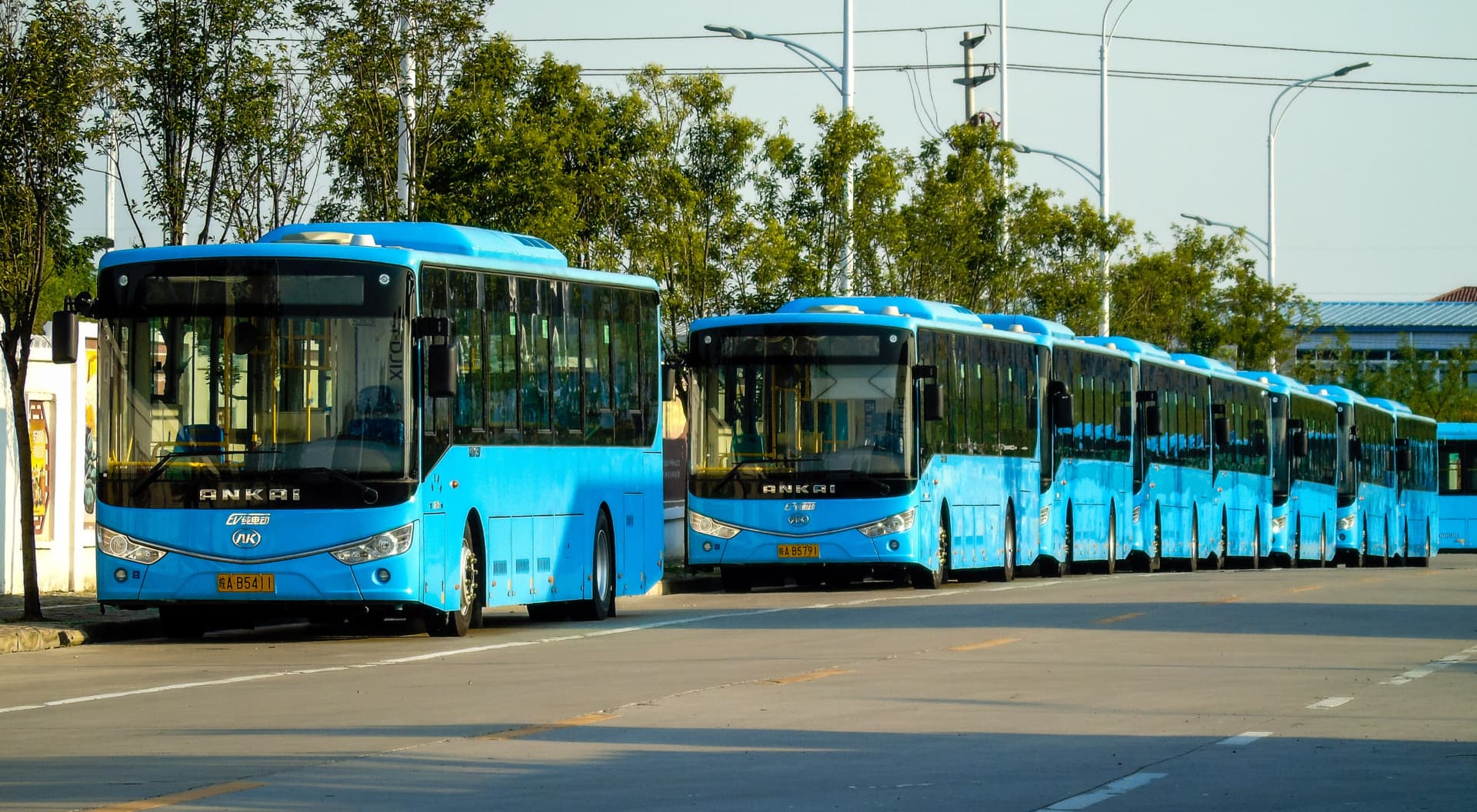
At least seven of the 21 BRICS+ economies are directing subsidies toward electric vehicles (EVs) and transport services widely used by lower- and middle-income people — from two- and three-wheelers to buses and shared transport. EVs are often portrayed as products for affluent households. Yet some BRICS+ economies direct support to electric two- and three-wheelers

It wasn’t one dramatic moment that made me stop and take note of a move toward agentic artificial intelligence (AI). My attention was drawn more and more through increasing questions from clients. For years, they’d been asking questions like, “Can this model summarize a contract? Can it classify these tickets? Can it draft an email?”

In recent years, cryptocurrencies have often been portrayed as instruments of economic freedom, financial innovation, and the democratization of finance. However, public debate often overlooks a fundamental point: money is not just another technology. Money is one of the primary instruments of economic governance, financial control, and public policy available to modern states. For this
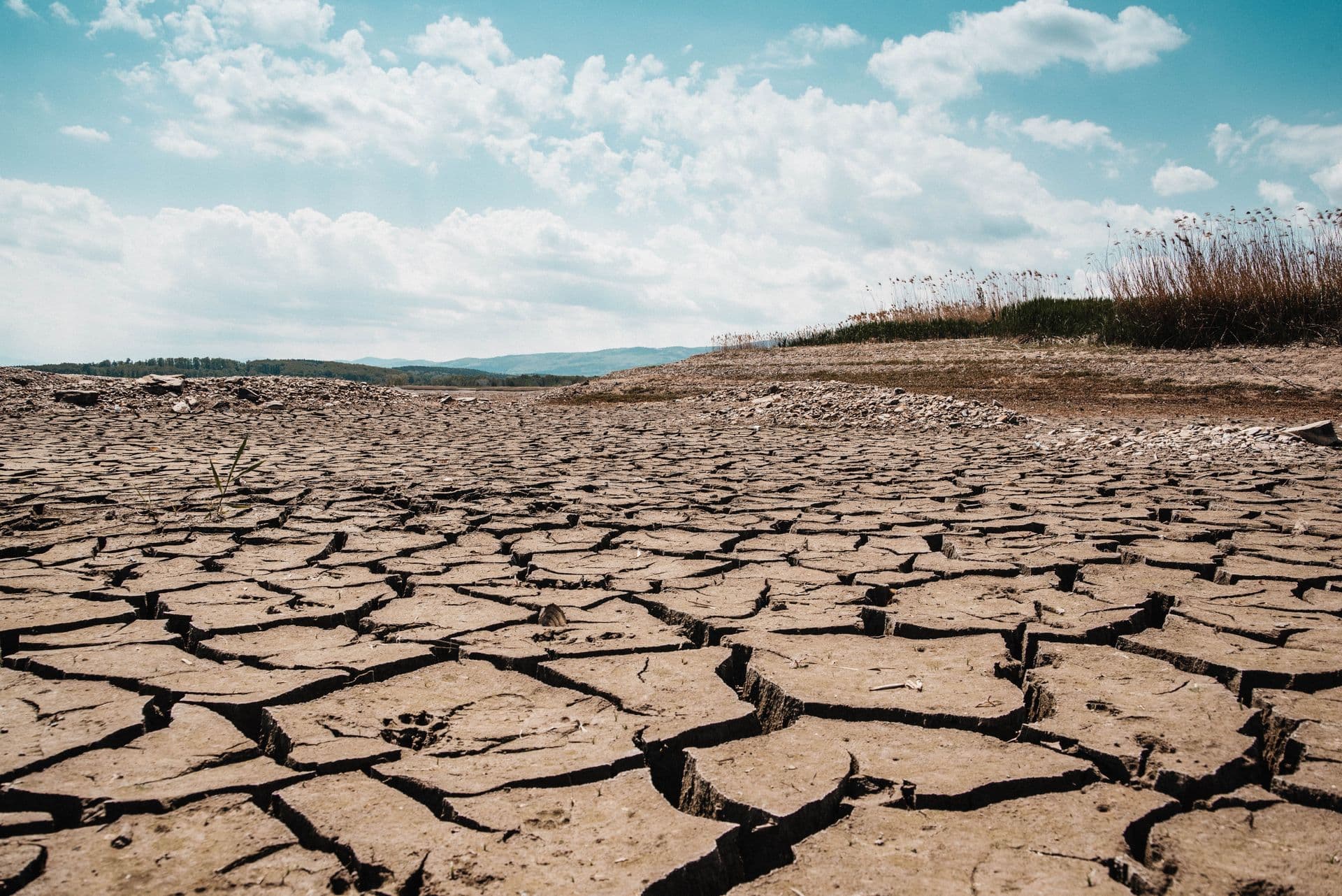
Today’s ESG Updates Climate Overshoot Now Unavoidable, UNEP Warns: Global temperatures are set to breach the critical 1.5°C threshold within just a few years as intensifying heatwaves, glacier loss and coastal flooding risks accelerate. SLB Bets $4.1 Billion on AI Cooling With Kelvion Deal: The energy technology giant is acquiring thermal management specialist Kelvion to

Today’s ESG Updates Microsoft Backs Wastewater-Based Carbon Removal: Tech giant signs deal for up to 23,602 metric tons of durable carbon removal with CREW Carbon as it targets carbon negative by 2030. Romania Nears Full Nuclear Shutdown: Record-low Danube water levels could force Cernavoda’s last reactor offline by Thursday, cutting 20% of the national electricity
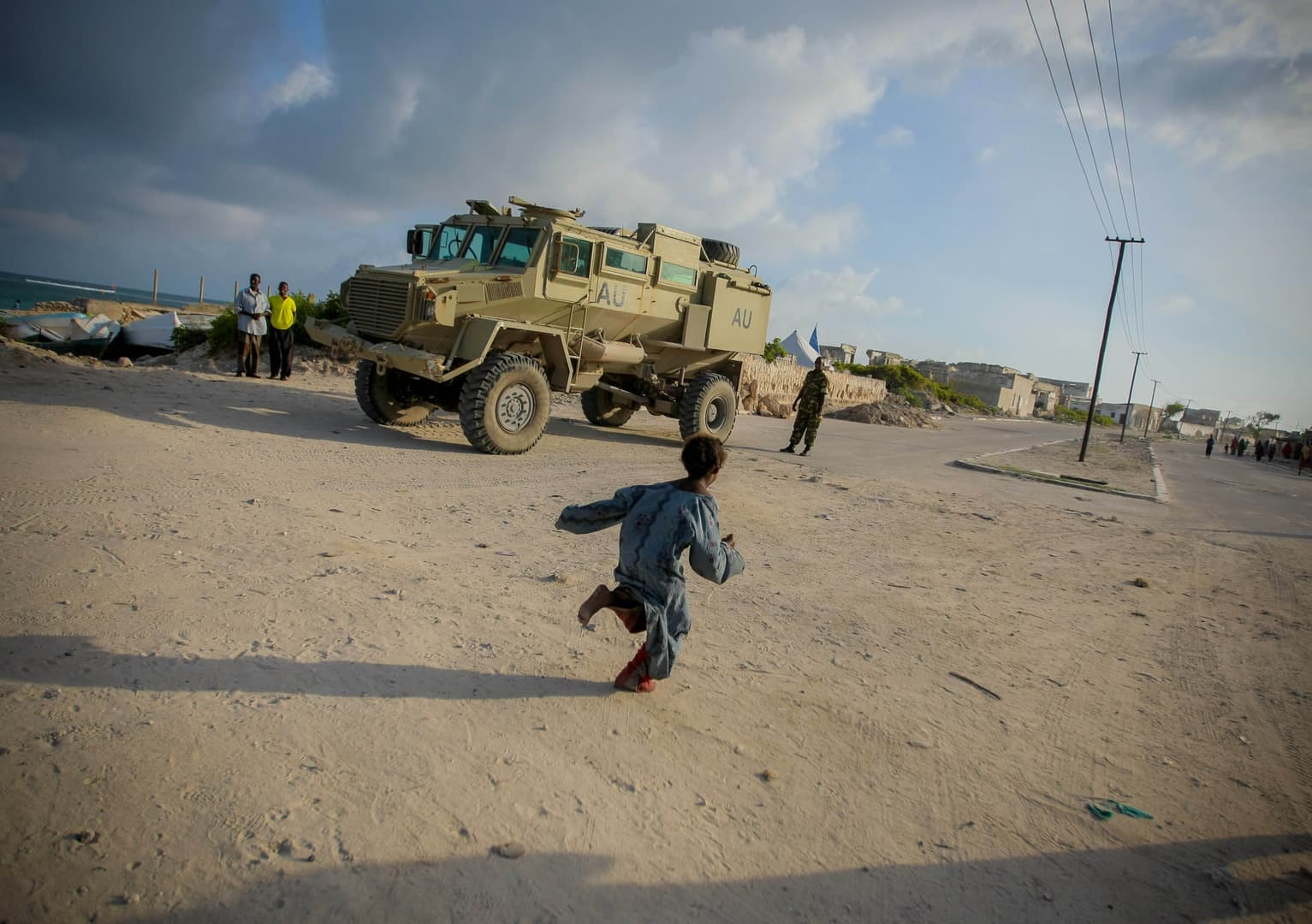
Terrorist attacks are expensive — weapons, fighters, logistics and training all require funding. Yet this aspect receives far less attention than the attacks themselves. In Nigeria and across Africa, terrorist groups have become more independent than when they were heavily dependent on foreign sponsors who allegedly wanted to “steal African resources” or “divide Africa.” Today,
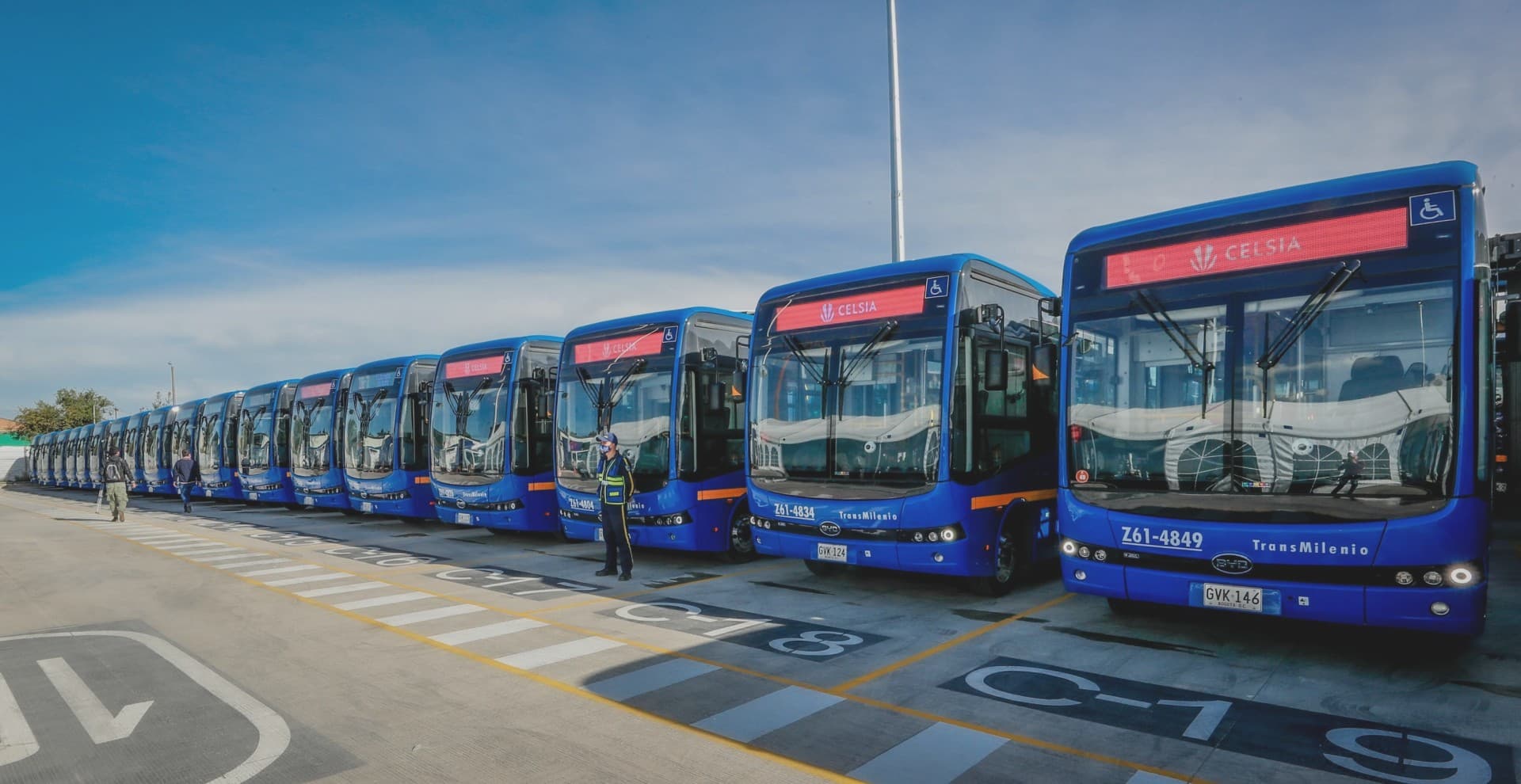
Across Latin America and the Caribbean, governments face a common challenge: how to deliver better results for citizens amid fiscal constraints, growing social demands, and increasingly complex environmental and development challenges. In this context, the question is no longer simply how much governments spend, but how effectively public resources are used to generate public value.