
In the news
Loading
These stories mention STEF in passing rather than reporting on it directly.

Today’s ESG Updates UK Eyes Cash Rewards for Whistleblowers: The Serious Fraud Office has begun work on a US-style scheme that would pay informants a share of the money recovered when their tip leads to enforcement action. IMF Cautions Against Complacency as AI, War and Debt Cloud the Outlook: The Fund forecasts global growth of

Today’s ESG Updates Marine Biodiesel Hits Record Low, Undercuts Fossil Fuels: A surprising price reversal in Rotterdam is making biofuels cheaper than most conventional shipping fuels, potentially accelerating the industry’s shift away from fossil fuels. Poorest Tropical Regions Will Be Last to Benefit From Net Zero, Study Finds: New research shows warming inequality between rich
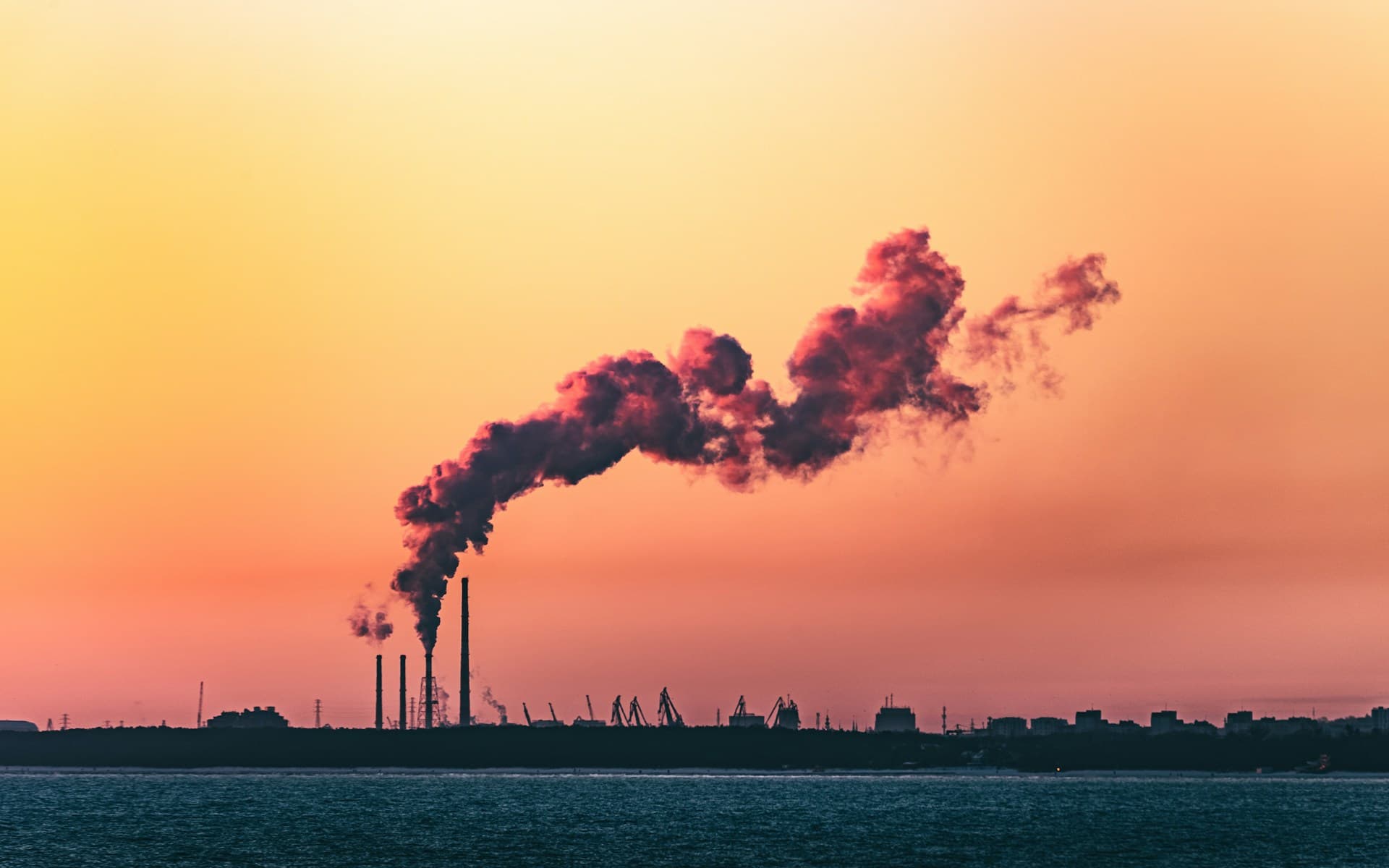
Today’s ESG Updates Ireland Pushes for New EU-wide Levies: The Irish presidency voices broad support for a proposed electronic waste tax that would generate an estimated €17.9 billion per year across the bloc. Crops Harvested Early, in Worse Condition: New data shows that crops matured significantly earlier than usual this year, leading to poor harvest
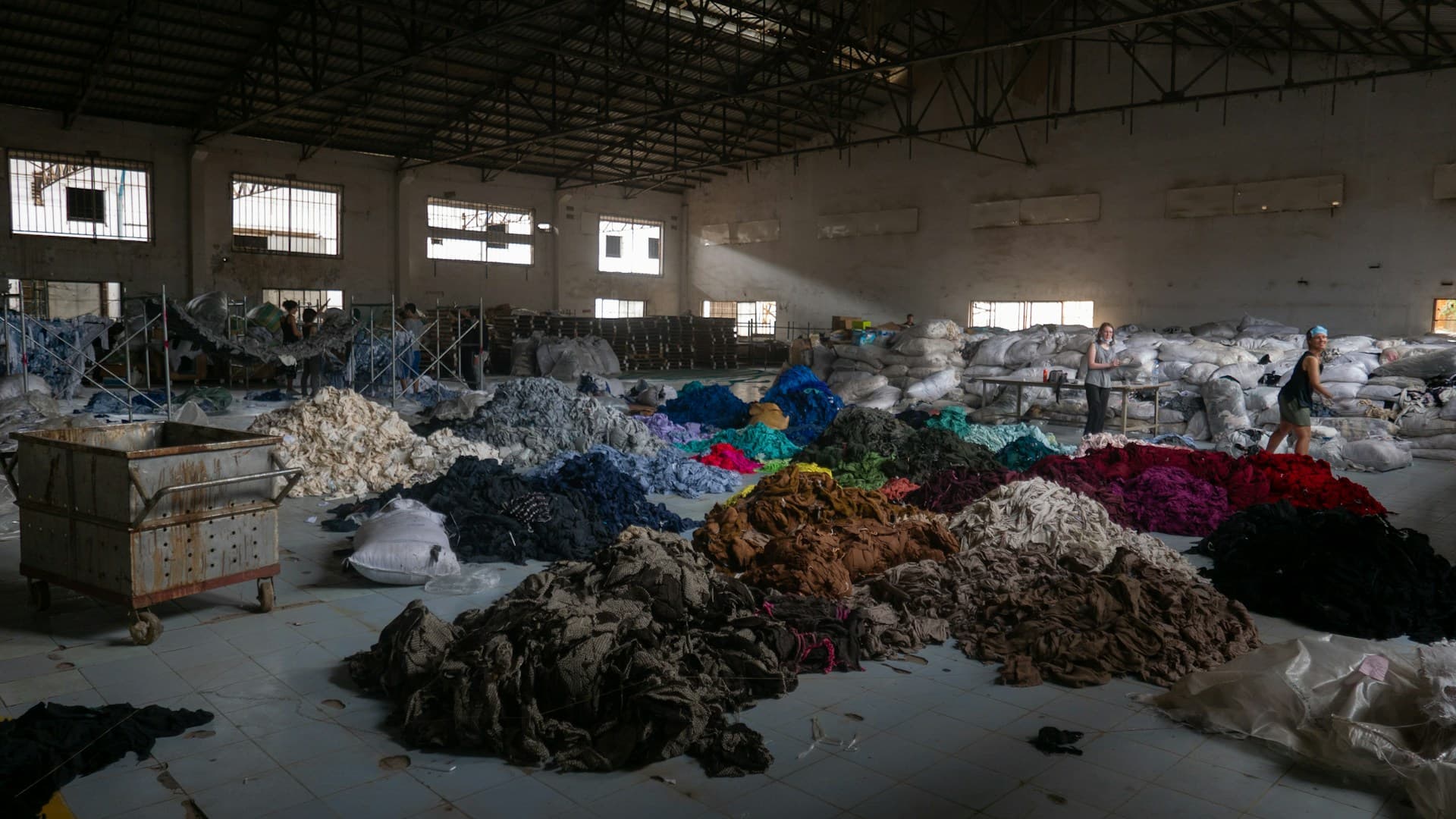
Today’s ESG Updates Pressing Waste in the Fashion Industry: Textile waste is set to rise 40% in the next decade, yet less than 1% is currently recycled. In response, Europe is mandating producer responsibility for the textile industry. U.S. Aims to Drastically Outpace Europe in AI Development: Oxford Economics forecasts a 40% increase in infrastructure
Today’s ESG Updates Meta Fined $567 Million in Child Safety Lawsuit: New Mexico court finds the social media giant harmed children and orders five years of tighter youth protections. Norway Targets Faster Renewable Power Development: Government will simplify approval processes and reduce bureaucratic delays to accelerate wind and grid expansion. New Jersey Wins $2.5bn PFAS
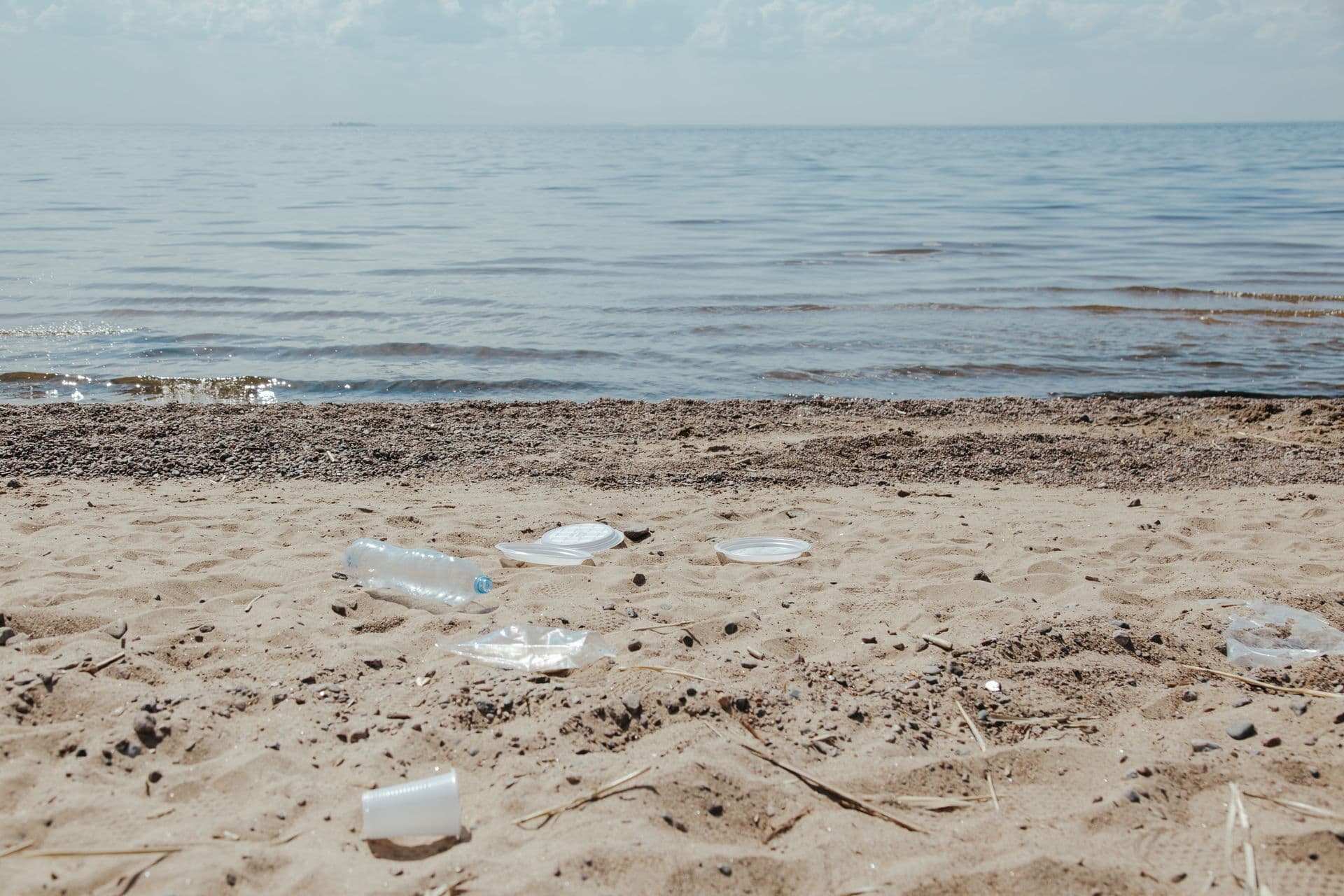
Today’s ESG Updates Ocean Competition to Solve Climate Change: By 2050, emerging marine carbon removal techniques might extract an additional eight billion tonnes a year, turning the sea into a far larger climate ally. UK AI Hardware Plan: With the AI chip market projected to hit $1 trillion by the early 2030s, calculations indicate that

In the summer of 2025, I traveled to Greece for a research trip and, during a break from the “migration seminars,” I took a walk in the Attiki neighbourhood of Athens. On a nearby wall, a striking piece of graffiti welcoming immigrants loomed as a sharp rebuke to the myths and political lies told about

Today’s ESG Updates Microsoft Matches 100% of Its Electricity Use with Renewables: The announcement is a major step toward its 2030 carbon‑negative goal and broader clean-energy market transformation. Utility Global Raises $100 Million to Decarbonise Hard-to-Abate Sectors With Hydrogen: Utility Global has raised $100 million in Series D funding to scale its electricity-free H2Gen technology
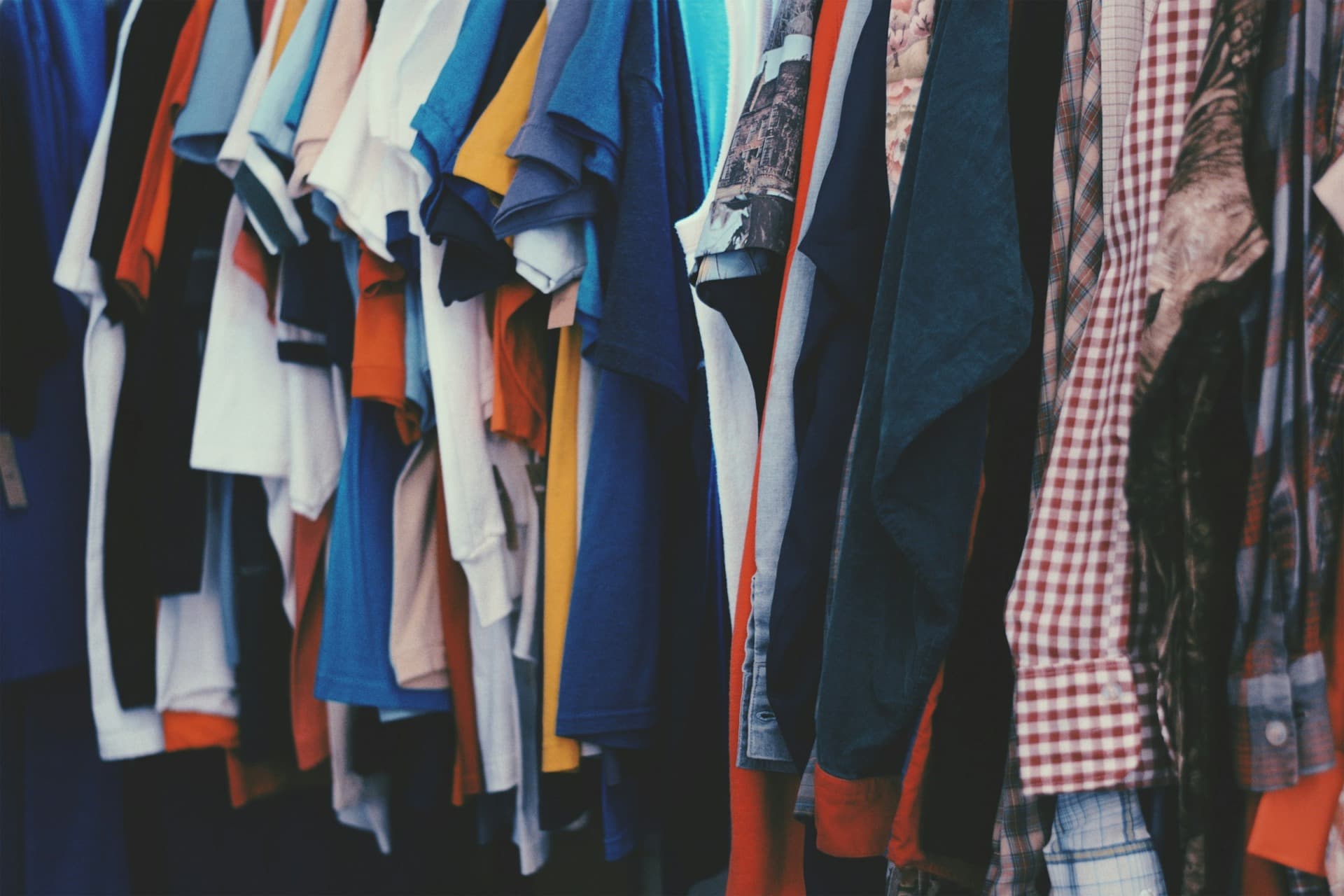
Today’s ESG Updates EU Bans Unsold Clothes Destruction: New rules aim to cut CO₂ by stopping companies from discarding apparel and footwear. UK Secures Record Solar Capacity: Britain’s latest renewable energy auction awarded 4.9 GW of solar power contracts, a record for solar, contributing to a total of 14.7 GW of renewable capacity enough to power around

Books are a part of everyday life for many people. You might be a bookworm who devours books every day, a student who has to read them to learn new information, or a parent reading stories to your children. Books bring us pleasure and knowledge, they answer our questions and often prompt new ones. Yet
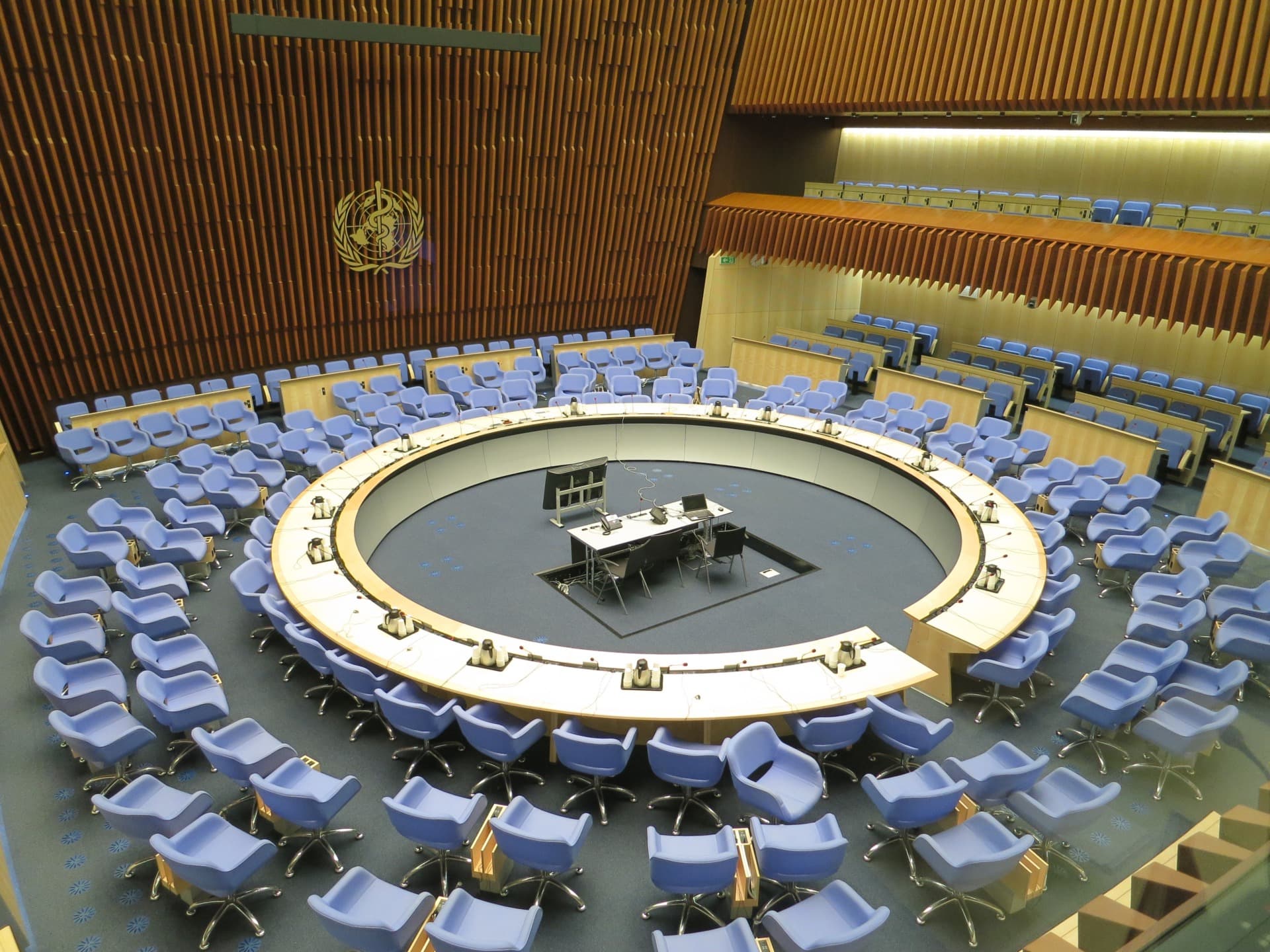
The United States was formally withdrawn from the World Health Organization (WHO) by President Donald J. Trump on January 22, 2026. Trump signed an executive order giving one-year notice on January 20, 2025. His administration cited several alleged and questionable reasons for doing so: WHO had “profound failures” and “mishandled” the COVID-19 pandemic. They claimed

From lithium-linked fires and e-waste to plastic pollution, disposable vapes pose serious environmental and health risks. Tobacco smoking has been popular for more than four centuries. People used to smoke everywhere — on planes, in public transport, in hospitals — you name it. Cigars were once a sign of wealth; later, smoking became associated with